
India Inc gets about Rs 67,000 crore worth of fresh orders in the Sept quarter, a rise of 45% sequentially.

Foreign institutional investors (FIIs)' stake in Infosys is nearing historic highs. During the quarter ended September, they bought 6.38 million Infosys shares for Rs 2,236 crore, raising their stake 1.1 per cent, data show.

Though the markets have lost ground since the past few sessions, analysts do not seem worried.

Big bull's holdings cross Rs 7,200 crore (Rs 72 billion).

In 2008, the 13 companies on the list accounted for 34 per cent of the overall m-cap.
.jpg)
Inflows cross $10-billion mark for 3rd consecutive year.
Beat gains made by mid-cap, broader indices.

Metal stocks fell on Tuesday, with the S&P BSE metal index sliding 2.8 per cent compared to the 0.64 per cent fall in the benchmark S&P BSE Sensex

Better-than-expected financial results in Q3 due to higher revenue growth and margins in key markets fuel the rally

FMCG stocks have underperformed the market, falling 2.2 per cent so far in 2014.

A delay in US Federal Reserve's quantitative easing tapering, coupled with better-than-expected September quarter earnings, ensured FIIs kept foreign money flowing into Indian equities.
.jpg)
Q1 results indicate more pain ahead, as slowdown has spread to more sectors, pricing power has come down and rising interest cost is eating into profits.

A record net inflow in Indian equities in the financial year ending March 2013 helped foreign investors widen their grip.

Sales growth slows but expenditure control, lower interest burden save the day.
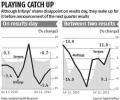
Though the Infosys stock has regularly tanked on days the company's results are announced, it has made up for the losses before the announcement of the next results.

One in three stocks outperforms market after disclosing quarterly numbers

India Inc's order book doubled in the fourth quarter (January-March) of the last financial year compared, to the year-ago period.

QIP is a capital raising tool, whereby a listed company can issue equity shares, fully and partly convertible debentures, or any securities other than warrants that are convertible to equity shares to a Qualified Institutional Buyer.

Manufacturing sector suffers from project delays, lack of fresh capital.

India Inc could set a new fund-raising record in 2010. Even before the year starts, companies have lined up equity raising plans of Rs 1,50,000 crore, close to two-and-a-half times of what they raised through share sales this year.
